
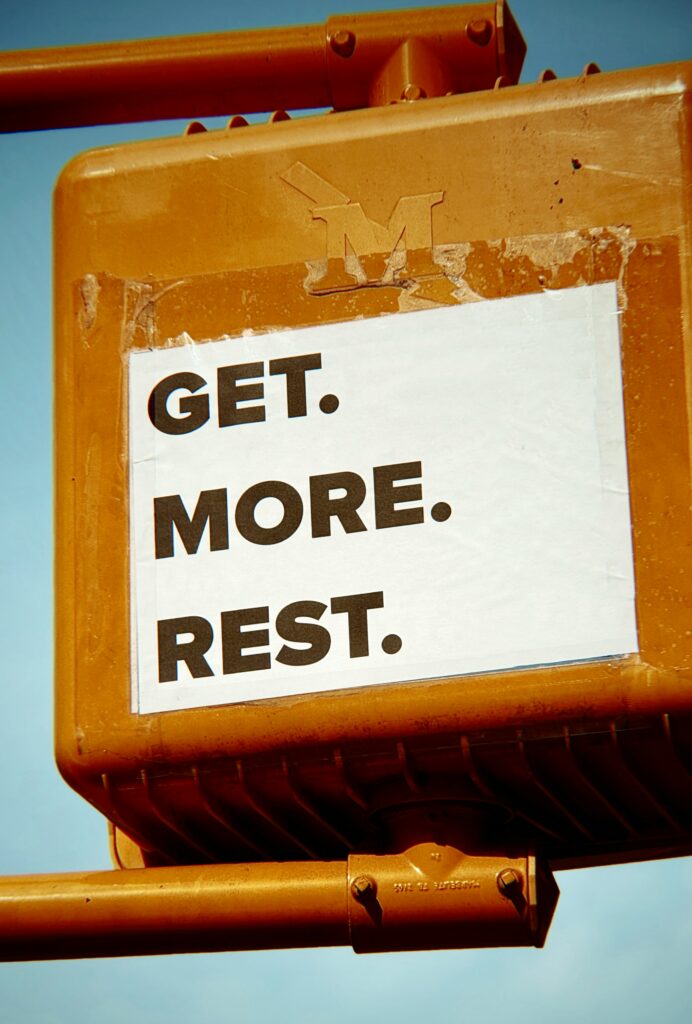
The Culture of Being “Busy”
We live in a world that often celebrates being busy. People wear long work hours, packed schedules, and constant exhaustion like trophies. Somewhere along the way, many of us started believing that if we’re not overwhelmed, we’re not working hard enough.
But here’s the truth: burnout symptoms are not signs of success. They are warning signs that something needs attention.
Being productive is important, but so is protecting your energy. You can be ambitious without running yourself into the ground.
What Burnout Really Looks Like
Many people imagine burnout as a dramatic breakdown, but it often starts quietly.
You wake up tired even after sleeping. Tasks that used to excite you feel like a burden. You struggle to focus, become easily irritated, and start feeling disconnected from your goals.
Take James, for example. He had recently landed his dream job and wanted to prove himself. He worked late every night, answered emails during weekends, and rarely took breaks. At first, everyone praised his dedication. Six months later, he was constantly exhausted, making mistakes at work, and questioning whether he even enjoyed his career anymore.
His problem wasn’t a lack of effort. It was a lack of balance.
This experience is becoming increasingly common among professionals, students, entrepreneurs, and even parents trying to juggle multiple responsibilities.
Signs you should never ignore..
Why Mental Wellness Matters
Many of us treat our phones better than we treat ourselves. We charge them when the battery is low, but we keep pushing ourselves long after our own energy has run out.
Good mental wellness is not a luxury. It is the foundation that supports your relationships, career, health, and personal growth.
Author and researcher Brené Brown reminds us that, “We cannot serve from an empty vessel.” When we neglect our own needs, everything else eventually suffers too.
Prioritizing your well-being does not mean lowering your standards. It means giving yourself the resources needed to perform at your best.
Small Changes Can Make a Big Difference
Improving work life balance does not always require major life changes.
Sometimes it starts with simple habits:
- Taking regular breaks throughout the day.
- Setting boundaries around work hours.
- Getting enough sleep.
- Spending time with people who recharge you.
- Making room for hobbies and activities you enjoy.
Consider Sarah, a university student who felt overwhelmed by classes, assignments, and family responsibilities. Instead of trying to do everything at once, she started scheduling one hour each evening for rest and reflection. Within a few weeks, she felt more focused, less anxious, and better able to manage her responsibilities.
Small adjustments often create the biggest long-term results.
Resources to Help You Reset
If this topic resonates with you, consider reading Burnout, which explores the science behind stress and recovery.
Final Thoughts
At F2P, we believe success should not come at the cost of your health. Your goals matter, but so do you.
The next time you feel guilty for resting, remember this: recovery is productive too.
You do not have to earn rest. You do not have to prove your worth through exhaustion.
The strongest version of yourself is not the one that never stops. It is the one that knows when to pause, recharge, and continue the journey with renewed strength.
Because burnout isn’t a badge of honor—sustainable growth is.